For many years, electronic identification in Vietnam has largely been viewed as a tool to support the delivery of administrative procedures in the digital environment. For most citizens, electronic identification has been closely associated with the VNeID application, digital driving licences, or access to online public services without the need to present physical documents. However, the proposals put forward by the Ministry of Public Security as part of the development dossier for the Law on Electronic Identification and Authentication indicate that the scope and ambition of this policy extend far beyond that.
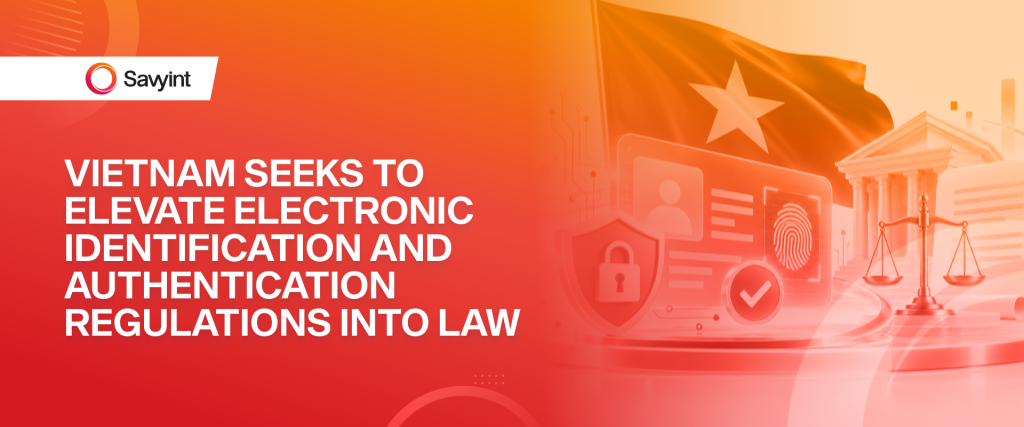
If approved by the National Assembly of Vietnam, the legislation would not merely govern electronic identification accounts or the VNeID application. More broadly, the draft law seeks to establish a national digital identity infrastructure in which not only individuals but also organizations, goods, assets, data, software, locations, transactions, and other entities within the digital economy can be identified, authenticated, and traced in the electronic environment.
This represents an important shift in national governance — from traditional administrative management toward data-driven governance in the digital age.
Electronic Identification Is Becoming Essential National Infrastructure
Globally, electronic identification and authentication are increasingly regarded as core infrastructure for the digital economy.
The European Union is implementing the European Digital Identity Framework (eIDAS 2.0) alongside the European Digital Identity Wallet, enabling citizens to use a unified digital identity when conducting transactions across member states. Estonia has long served as a model for digital government, with almost all public services operating on the basis of its electronic identification system. Singapore has developed the Singpass ecosystem to serve both the public and private sectors, spanning banking, insurance, real estate, and other services. Meanwhile, India operates Aadhaar with more than 1.4 billion digital identities, widely regarded as the world’s largest electronic identification system.
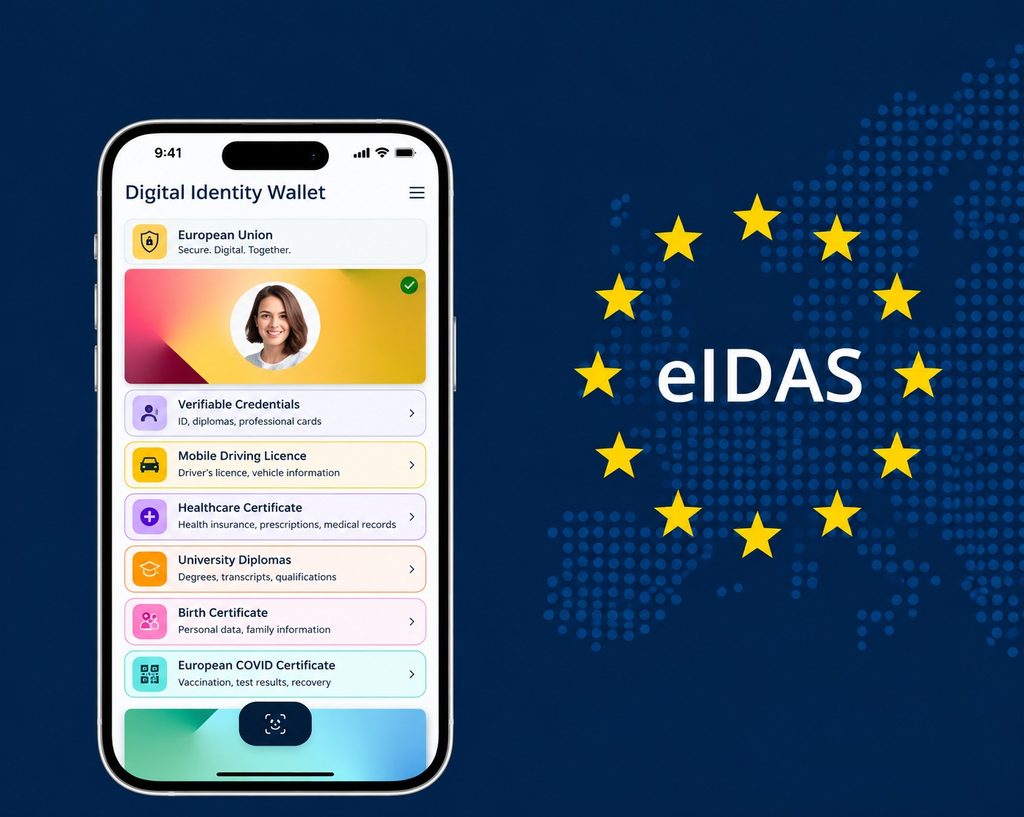
The common thread across these models is that electronic identification is no longer viewed as a standalone technological utility. Instead, it has become an operational foundation for digital government, the digital economy, and digital society.
Current international trends are moving even further beyond human identification. The European Union is implementing the Digital Product Passport, under which each product is assigned a unique electronic identifier to support traceability and lifecycle management. New international standards are also expanding the scope of identification to goods, assets, data, devices, applications, and many other types of entities in the digital environment.
It is against this backdrop that the Ministry of Public Security considers it necessary for Vietnam to establish a legal framework with greater legal authority, enabling the country to keep pace with global developments and meet the requirements of national digital transformation.
Regulations Are No Longer Sufficient for the Next Stage of Development
After more than three years of implementing Decree No. 59/2022/ND-CP and Decree No. 69/2024/ND-CP, Vietnam’s national electronic identification system has achieved notable results. However, according to the Ministry of Public Security, Vietnam has now moved beyond the initial stage of electronic identification.
Previously, the primary focus was on establishing digital identities for citizens and organizations. Today, the scope of governance requirements is considerably broader. In the digital environment, identifying people alone is no longer sufficient. The State needs the ability to identify vehicles, goods, locations, data, software, digital assets, and many other types of objects to support governance, transactions, and the development of the digital economy.
Meanwhile, regulations relating to identification are currently scattered across multiple laws and subordinate legal instruments, including the Law on Identification, the Law on Electronic Transactions, the Law on Data, the Law on Digital Technology Industry, and various sector-specific regulations.
This fragmentation creates significant challenges.
For state management agencies, the absence of a unified legal framework limits the ability to ensure data interoperability across ministries, sectors, and local authorities.
For businesses, compliance with multiple authentication mechanisms increases both compliance costs and transaction costs.
For citizens, repeatedly providing and verifying information — even when the data already exists within government systems — reduces the efficiency of the digital transformation process.
The development of a unified law is therefore expected to establish a common “language” for Vietnam’s entire digital identity and data ecosystem.
Legal Recognition of Digital Identity and Reduced Reliance on Physical Documents
Another important driver behind the development of the law is the need to strengthen the legal foundation for the use of electronic documents.
In recent years, VNeID has integrated various types of documents, including identity cards, driving licences, vehicle registration certificates, health insurance information, and other documents. However, the number of documents integrated into the system remains limited compared with practical needs. Many agencies and organizations still require citizens to present physical documents even when the relevant information has already been authenticated through electronic systems.

This situation reflects a fundamental issue: current legislation does not yet provide sufficiently comprehensive legal recognition of digital identities and electronic documents.
In the absence of a sufficiently strong legal basis, many agencies continue to adopt the safer approach of requiring paper – based documentation rather than relying entirely on electronic data.
Accordingly, one of the key objectives of the draft law is to establish clear legal status for digital identities, electronic documents, and electronic authentication results. If implemented effectively, this could provide the foundation for significantly reducing administrative paperwork, lowering compliance costs, and shortening the time required to process procedures for citizens and businesses.
Electronic Identification Is Not Limited to Public Services
A notable aspect of the draft legislation is that electronic identification is designed not only to support government operations but also to facilitate transactions within the private sector.
In finance and banking, a unified electronic identification system could significantly reduce customer verification costs, improve the efficiency of eKYC processes, and help mitigate fraud.
In e-commerce and logistics, the identification of goods and products could support traceability, combat counterfeit products, and enhance supply-chain trust.
For data and digital assets, establishing electronic identities for data and intangible assets could provide a foundation for new data-driven business models.
In other words, the draft law would not only affect public administration but could also directly influence how the digital economy operates in the future.
From Identifying People to Identifying “Everything”

The most significant and potentially most debated — new aspect of the draft law is the expansion of the scope of electronic identification.
Under the draft, identifiable entities would not be limited to individuals, organizations, and state agencies. They could also include locations, spaces, products, goods, devices, data, applications, software, domain names, network addresses, digital assets, intellectual property rights, activities, events, transactions, and interactions occurring in the digital environment.
If adopted, this would represent one of the broadest scopes of identification ever proposed within Vietnam’s legal system.
From a state governance perspective, this approach offers several potential benefits. Identifying goods can facilitate traceability. Identifying data can enhance data management and sharing. Identifying transactions can strengthen traceability and fraud prevention capabilities.
However, expanding the scope of identification also raises new legal questions.
First, the boundary between identification and digital surveillance needs to be clearly defined. When transactions, activities, or interactions in the digital environment are linked to electronic identities, questions arise as to who is authorized to access the data, under what circumstances, and subject to what control mechanisms.
Second, the relationship between electronic identification and ownership rights over data, digital assets, or intellectual property needs to be clarified. Whether identifying an entity also implies the establishment of ownership rights remains an issue requiring further study.
Third, centralizing large volumes of identity data within national systems will significantly increase cybersecurity and personal data protection requirements. The more data that is interconnected, the greater the concern over cybersecurity incidents and potential misuse of data.
International Lessons: Digital Identity Infrastructure Must Go Hand in Hand with Privacy Protection
International experience shows that no country can successfully build a digital identity system without mechanisms for privacy protection and accountability.
In Europe, eIDAS has been developed alongside the GDPR. In Singapore, Singpass operates on the principle of sharing only the data necessary for a specific transaction. Many countries have also adopted principles of data minimization, purpose limitation, and stronger independent oversight of the use and exploitation of citizens’ data.
This demonstrates that the greatest challenge facing a modern electronic identification system is not technology, but building trust.
Citizens and businesses will only be willing to participate in a digital identity ecosystem when they trust that their data is being used for legitimate purposes, securely protected, and not misused.
Electronic identification and authentication are becoming core components of the digital trust infrastructure of every country, and more specifically, of every organization and business. Identification and authentication are no longer limited to people; they extend across the broader social and digital ecosystem, encompassing the services and products that support people’s lives. Building a trusted, secure, and reliable identification and authentication system is therefore something every organization needs to begin today — not something that can be postponed or delayed. Competitive advantage can start today by connecting with the SAVYINT team, bringing 22 years of experience in identity solutions, data encryption, cybersecurity, and electronic archiving — an integrated ecosystem for organizations looking to build their digital trust infrastructure.
Contact us HERE!