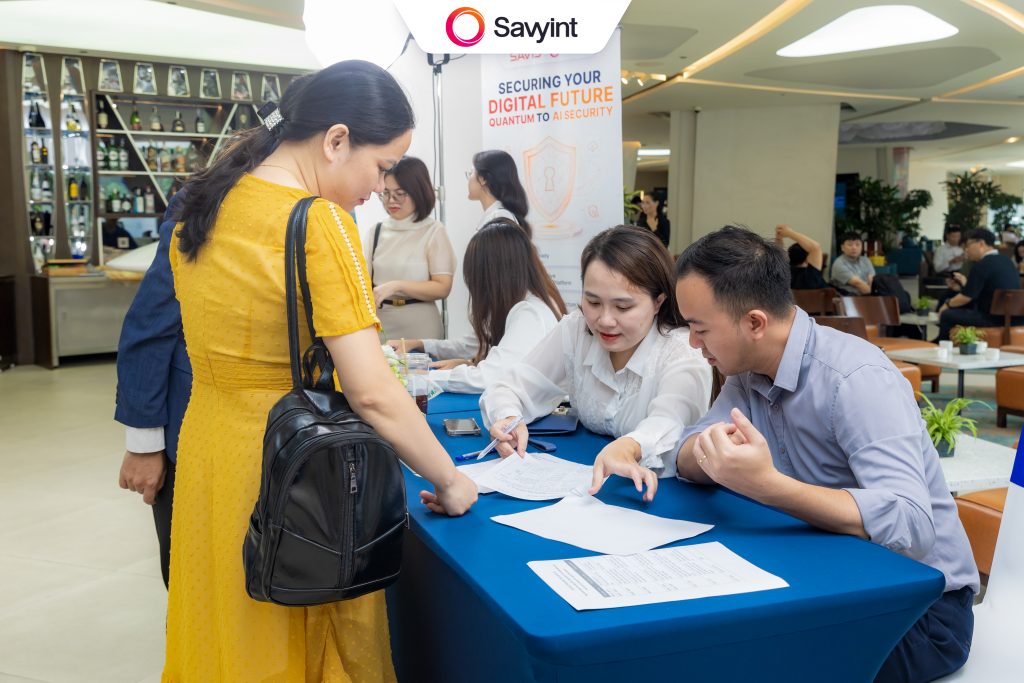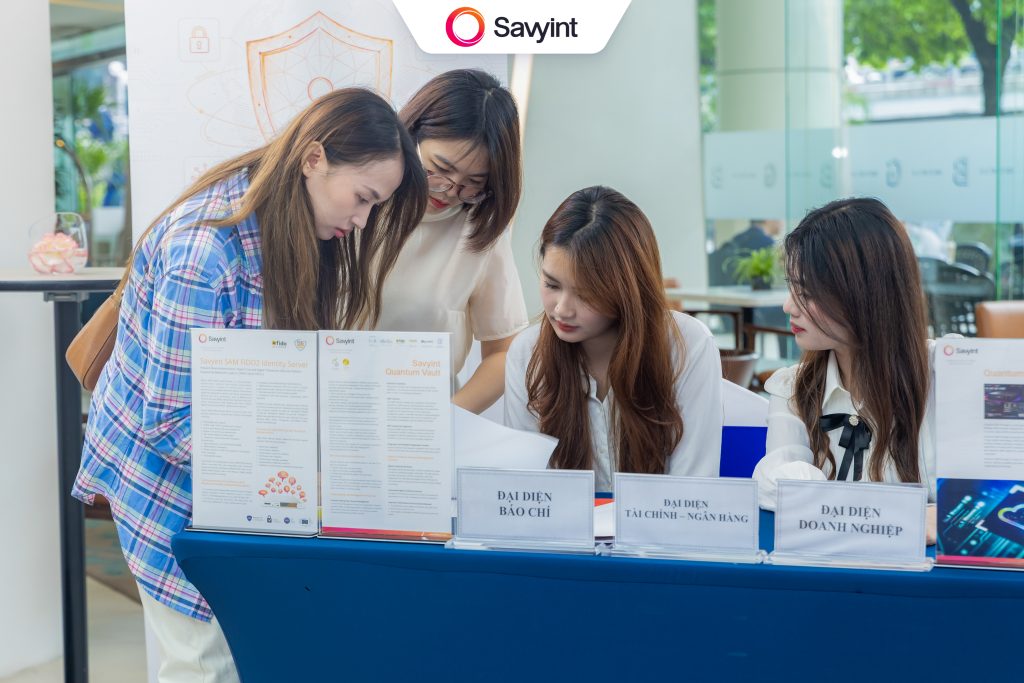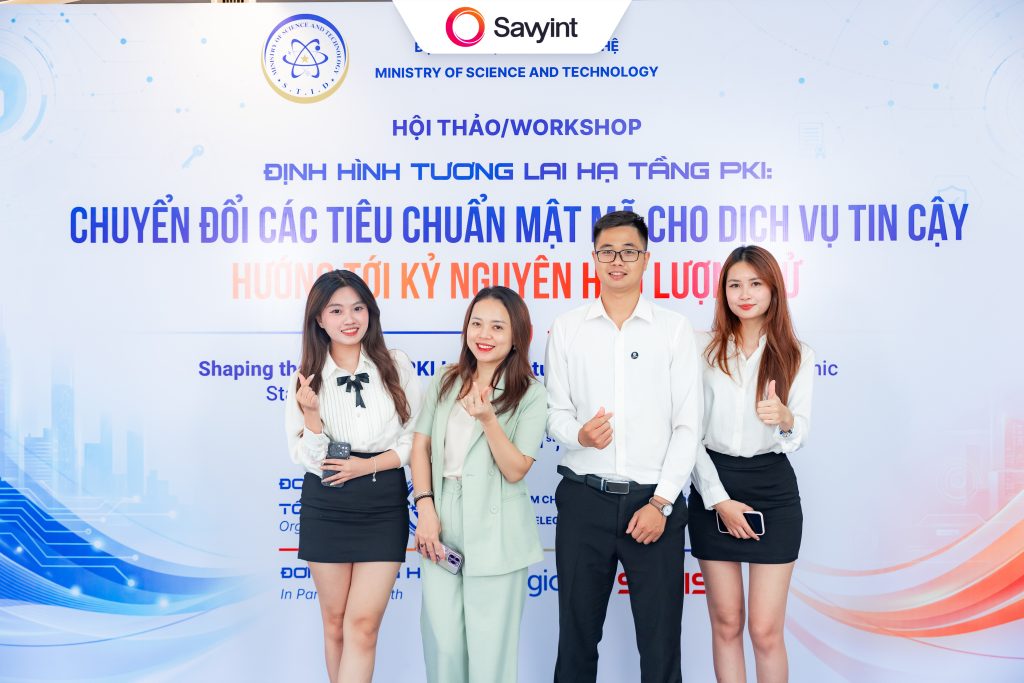
On July 21, in Hanoi, the National Electronic Authentication Center (NEAC) under the Ministry of Science and Technology hosted the international conference “Shaping the Future of PKI Infrastructure: Transitioning Cryptographic Standards for Trust Services into the Post-Quantum Era.” At the event, SAVYINT demonstrated its forward-looking vision by showcasing its comprehensive Digital Trust solutions powered by Post-Quantum Cryptography (PQC).
The Post-Quantum Era and New Challenges for Digital Trust
The conference was held at a time when countries around the world are accelerating research and preparations for the impact of quantum computing on digital infrastructure. While quantum computing promises unprecedented computational capabilities, it also presents significant challenges to the cryptographic mechanisms currently used to safeguard data, digital identities, and electronic transactions.
During the conference, experts discussed emerging trends and challenges in trust services, shared international experiences in modernizing PKI infrastructure, enhancing crypto agility, and preparing migration roadmaps toward next-generation security technologies to ensure digital trust in the post-quantum era.
Digital Trust Infrastructure as the Foundation of the Digital Economy
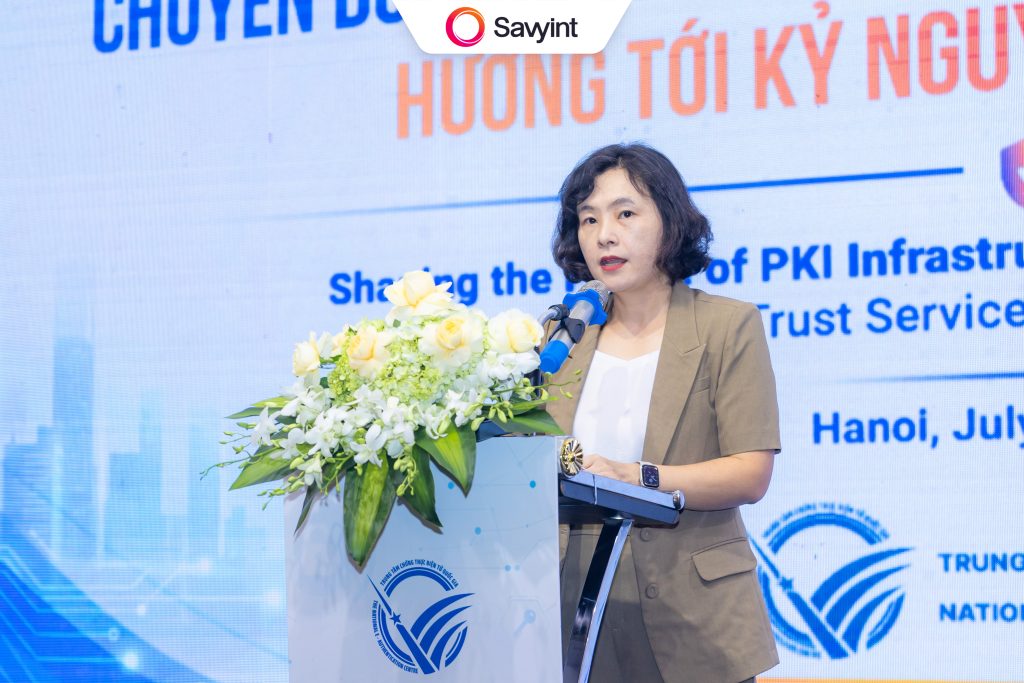
In her opening remarks, Ms. To Thi Thu Huong, Director General of the National Electronic Authentication Center (NEAC), emphasized that Vietnam is entering a period of rapid development in its digital economy, digital society, and digital government.
In this transformation, Public Key Infrastructure (PKI), digital signatures, and trust services serve as the foundation for electronic identity authentication, data integrity, and trust in digital transactions. Proactively studying international standards, adopting global best practices, and preparing for future cryptographic transitions will not only help maintain digital trust and protect electronic transactions, but also facilitate cross-border interoperability and mutual recognition of trust services, supporting Vietnam’s international integration in the digital era.
Three Major Challenges Facing Digital Trust Infrastructure in the Next Decade
At the conference, domestic and international experts highlighted three critical challenges that are reshaping digital trust infrastructure worldwide.
First, the rapid advancement of quantum computing requires a transition to new cryptographic standards capable of protecting data, digital identities, and electronic transactions in the future.
Second, the explosive growth of cloud computing, artificial intelligence (AI), the Internet of Things (IoT), and large-scale digital systems is dramatically increasing the number of digital certificates, connected devices, and trust services requiring authentication, making PKI modernization an urgent priority.
Third, the global trend toward shorter digital certificate lifecycles, aimed at strengthening cybersecurity, is placing increasing pressure on certificate lifecycle management and operational efficiency.
Experts agreed that the transition to the post-quantum era is not merely a technological challenge, but also one of governance, standardization, and organizational adaptability in an increasingly digital world.
One of the key concepts highlighted during the conference was Crypto Agility – the capability that enables systems to seamlessly adopt and transition between cryptographic algorithms. Experts emphasized that adopting Hybrid Cryptography represents the most practical and strategic approach for Certification Authorities (CAs) in Vietnam to gradually migrate to post-quantum security while ensuring uninterrupted operation of existing systems.
Strengthening Cryptographic Security
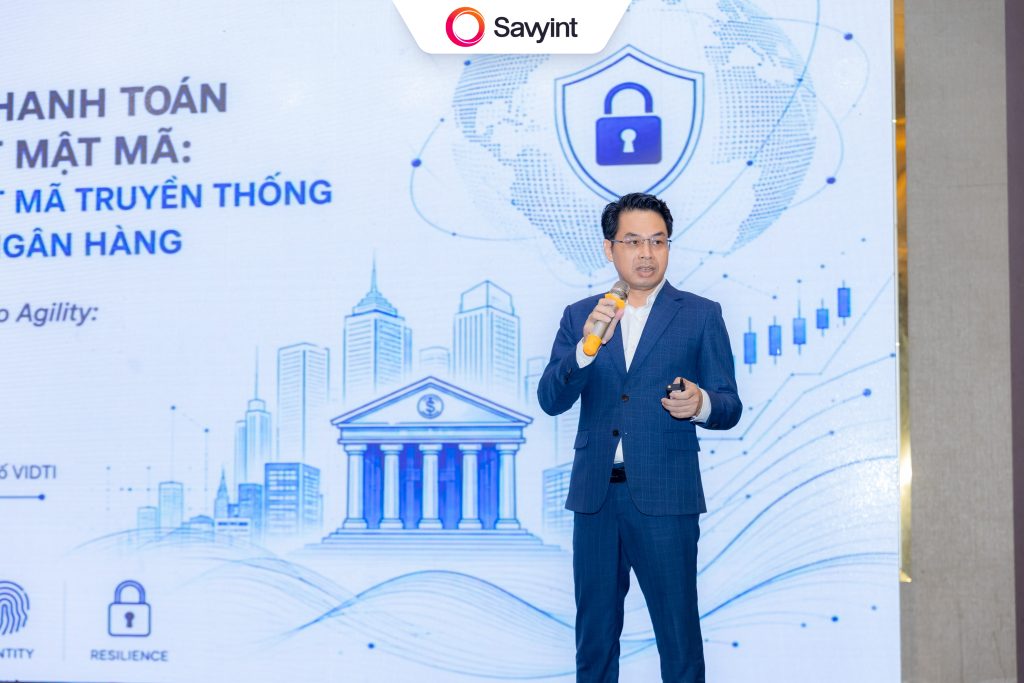
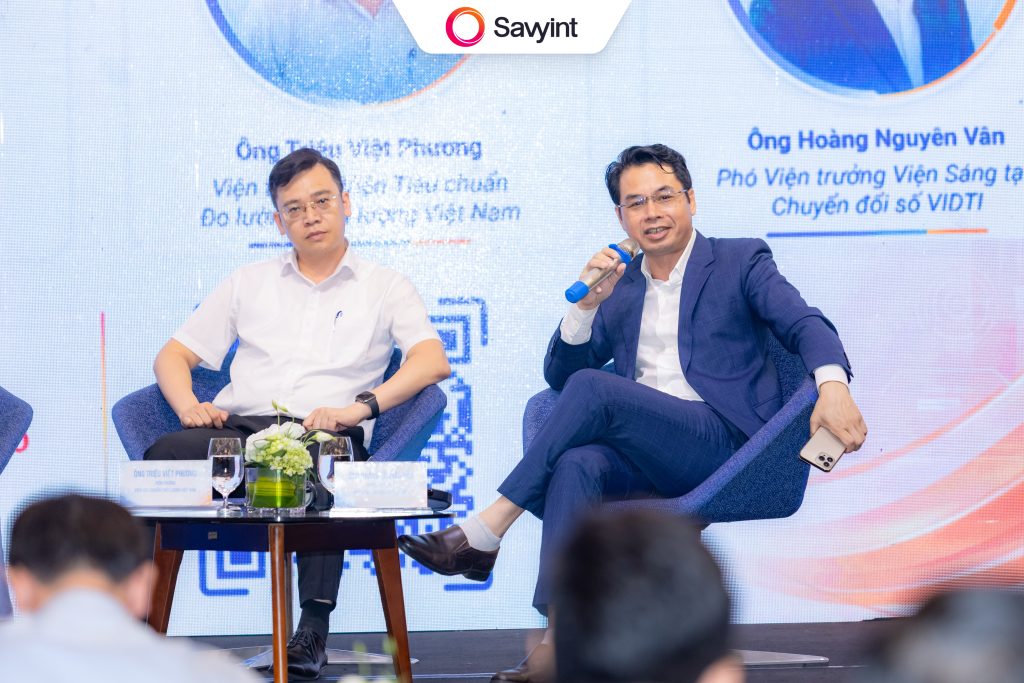
Mr. Hoang Nguyen Van, Vice President of theVietnam Institute for Digital Transformation and Innovation (VIDTI), pointed out that the threat posed by quantum computing is no longer a distant concern – it is becoming a reality.
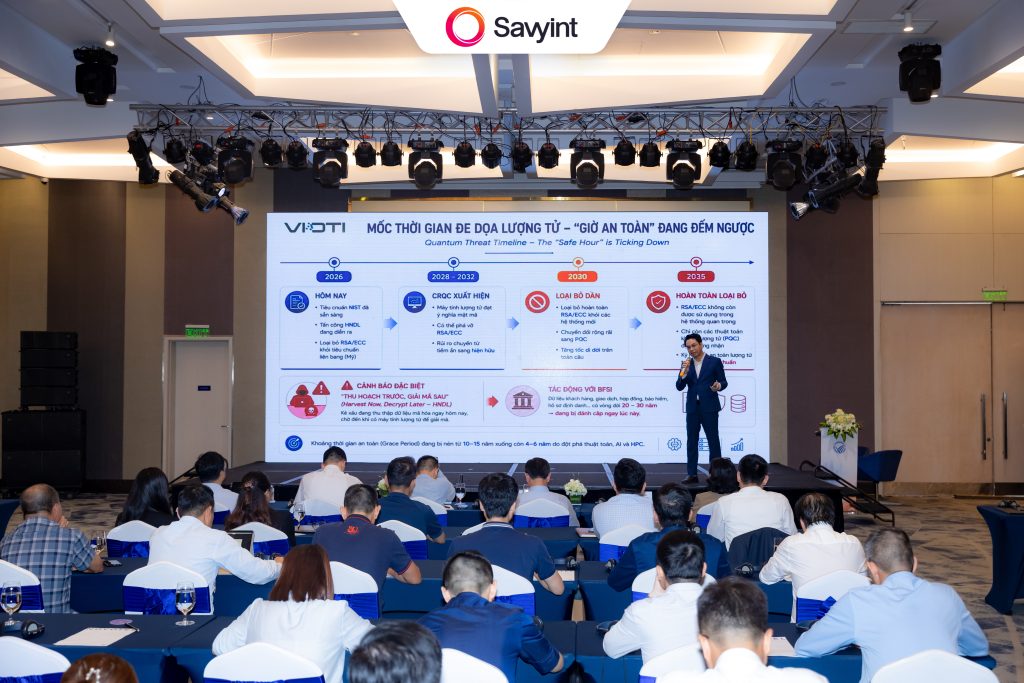
Once sufficiently powerful quantum computers emerge, many of today’s cryptographic algorithms protecting government systems, national defense, financial services, banking, healthcare, and other critical infrastructures could be broken. Every nation is facing this security challenge. As economies become increasingly digital, the issue extends beyond protecting data – it is about safeguarding digital sovereigntyandtechnological sovereignty.
“Long-lived data with retention periods of 25 to 30 years – such as financial records, strategic assets, public service contracts, and healthcare data faces a significant risk if not protected by next-generation cryptographic standards. Such data could be collected today and decrypted in the future through ‘harvest now, decrypt later’ attacks,” Mr. Hoang Nguyen Van stated.
He also proposed a reference roadmap for the 2026 – 2030 period, including: Conducting a comprehensive inventory of cryptographic assets, assessing cryptographic risks, piloting new algorithms and deployment models; and gradually building national capabilities in post-quantum cryptography to safeguard data, electronic transactions, and financial security in the years ahead.
According to Mr. Hoang Nguyen Van, the guiding principle for this transition should be “Crypto-Agility First.” This approach enables organizations to update cryptographic algorithms flexibly while maintaining interoperability and minimizing operational disruption when traditional algorithms are no longer considered secure.
He further emphasized that the migration extends far beyond replacing cryptographic algorithms. It requires comprehensive modernization across the entire IT ecosystem, including network infrastructure, servers, authentication systems, operational processes, and business applications.
To ensure security throughout the transition period, he recommended adopting a Hybrid Cryptography model that combines today’s widely deployed algorithms with quantum-resistant algorithms such as lattice-based cryptography.
SAVYINT Brings Post-Quantum Digital Trust Technologies to Vietnam and the Region
More than just delivering technology, SAVYINT provides a comprehensive Digital Trust platform that empowers organizations to protect their most valuable data and critical digital assets – both today and in the post-quantum future.
SAVYINT’s Digital Trust portfolio addresses the full spectrum of enterprise security and trust requirements while meeting the specialized needs of highly regulated industries such as banking and financial services. Its solution portfolio spans Data Security & Cryptography, Digital Identity & Fraud, and Secure Payment.
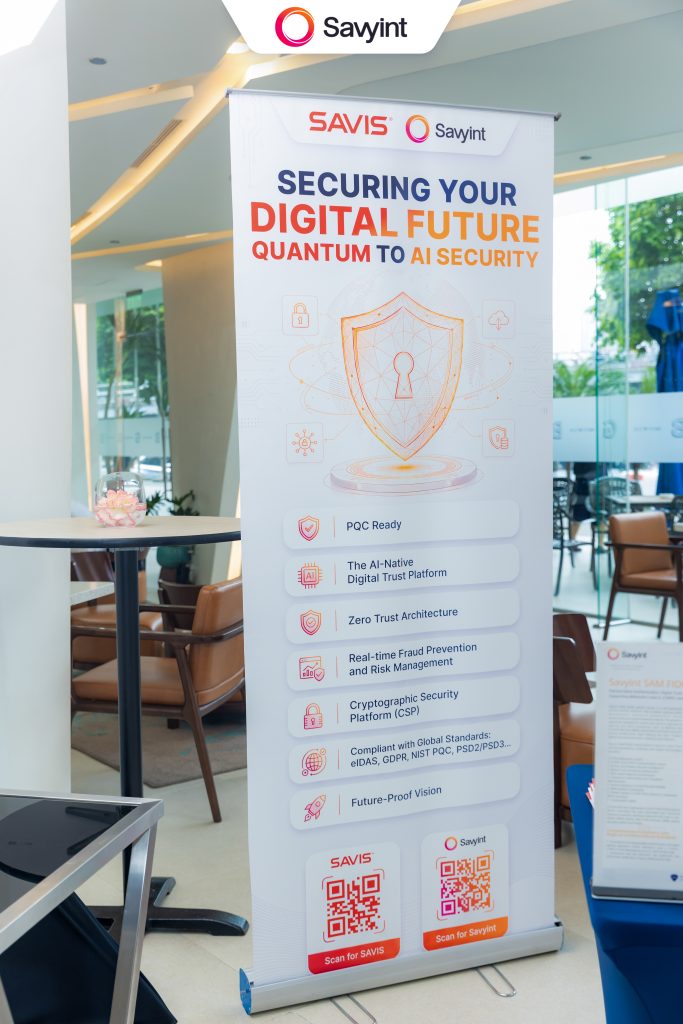
Post-Quantum Cryptography (PQC) is a foundational technology embedded across many of SAVYINT’s solutions. While awareness of post-quantum security remains relatively limited among many organizations, SAVYINT has proactively integrated globally standardized PQC algorithms into its existing platforms. This enables both existing and new customers to benefit from the latest cryptographic innovations while ensuring that their data and electronic transactions remain protected over the long term – regardless of future algorithm transitions or emerging cyber threats.
– SAVYINT SAM FIDO2 Identity Server is a passwordless mobile authentication and identity solution based on the FIDO2 standard, combining data encryption and transaction security. The solution ensures compliance with requirements for blockchain, cryptocurrency, mobile payments, data encryption, transaction encryption, system security, and authentication, addressing the security demands of modern digital ecosystems.
– SAVYINT SAM Auth Server is an all-in-one solution for strong authentication data encryption, digital signature authentication and mobile identification, ensure compliance with standards for remote digital signature, blockchain, crypto currency, mobile payment, data encryption, transaction encryption, timestamp, security, system authentication, IoT, Car2X…
– Savyint Quantum Vault is a powerful, flexible, and versatile solution for managing cryptographic keys, digital certificates, API keys, sensitive data, etc., helping enterprises and organizations easily:
- Store, operate, and manage the lifecycle of all cryptographic keys within the organization using the most advanced technologies.
- Automate, manage, and centrally control all processes for issuing, renewing, and revoking digital certificates.
- Apply advanced cryptographic algorithms and support migration to Quantum-Resistant algorithms (NIST PQC).
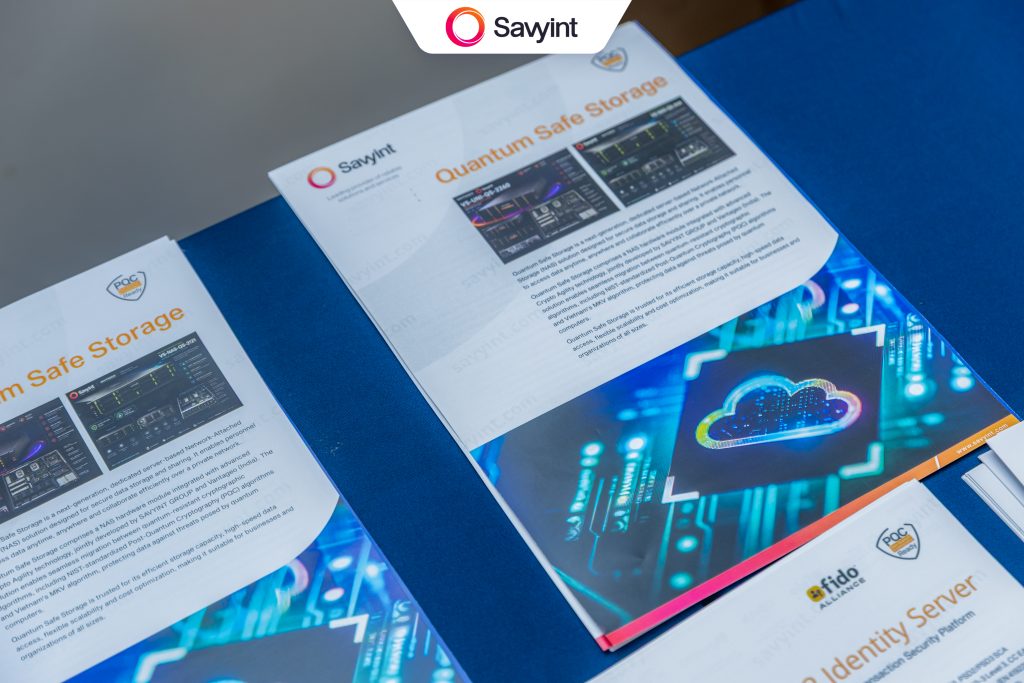
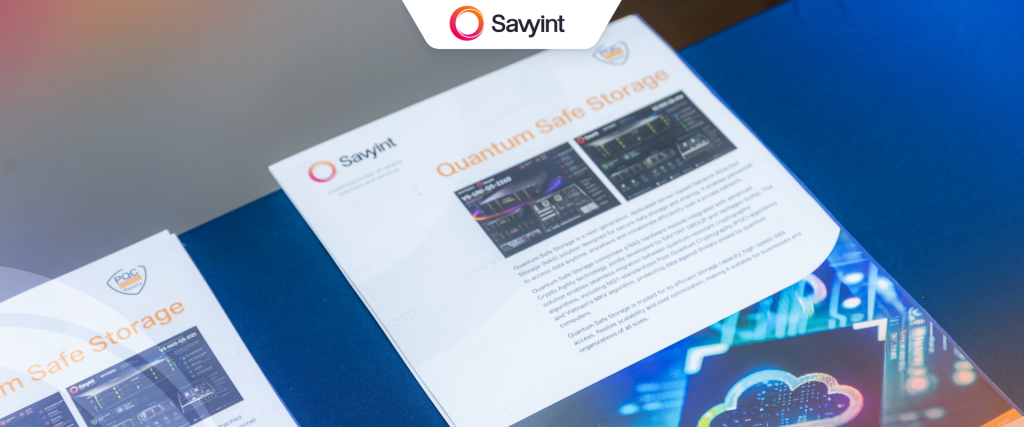
– Quantum Safe Storage is a next-generation, dedicated server-based Network-Attached Storage (NAS) solution designed for secure data storage and sharing. It enables personnel to access data anytime, anywhere and collaborate efficiently over a private network. It comprises a NAS hardware module integrated with advanced Crypto Agility technology, jointly developed by SAVYINT GROUP and Vantageo (India). The solution enables seamless migration between quantum-resistant cryptographic algorithms, including NIST-standardized Post-Quantum Cryptography (PQC) algorithms and Vietnam’s MKV algorithm, protecting data against threats posed by quantum computers.