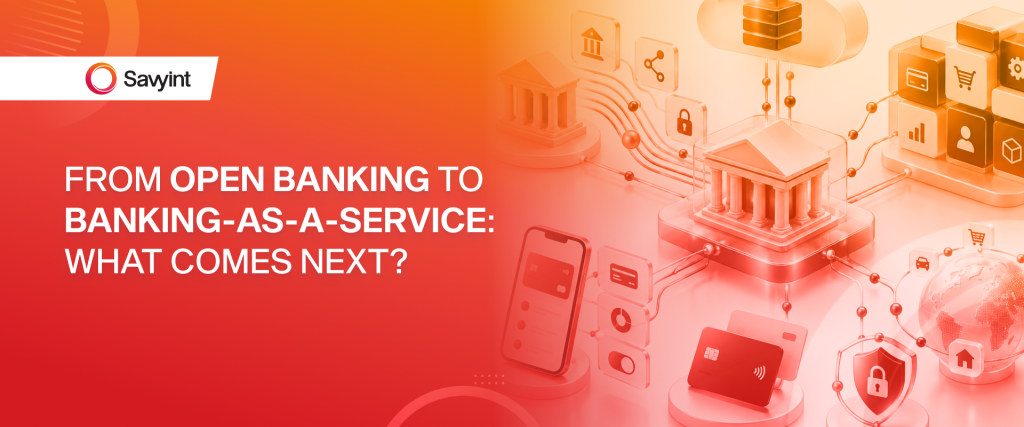
Over the past decade, financial innovation has evolved from open banking, which focuses on consumer-authorized data sharing, to banking-as-a-service (BaaS), which uses application programming interfaces (APIs) to make core banking functions more modular and accessible.
Open banking & Open Finance
The term “Open Banking” emerged around 2016 as a policy initiative aimed at increasing competition in the retail payments sector. The United Kingdom was the first country to explore this approach as a regulatory tool for promoting greater competition in digital payments through the Open Banking Implementation Entity.
The idea behind these initiatives was straightforward: by making it easier for third-party providers (TPPs) to access data, regulators could lower barriers to entry, encourage competition, and create more opportunities for innovation in digital payments.
A similar approach was taken by the European Union through the Second Payment Services Directive (PSD2), which came into effect in 2018. PSD2 required banks to provide registered third-party providers with access to customer account data through standardized application programming interfaces (APIs).
Open Finance takes this concept a step further. While Open Banking mainly focuses on banking and payment data, Open Finance covers a much broader range of financial products and services, including credit, investments, pensions, and insurance.
Under an Open Finance model, consumers can give third parties access to a broader set of financial data, potentially providing a more complete picture of their financial lives. While the potential benefits of Open Finance have not yet been fully demonstrated in practice and evidence of its impact remains limited, the concept could give consumers and businesses greater control over their financial data.
By making more financial data available, Open Finance could help reduce information gaps, encourage competition, and create opportunities for more personalized financial products. These products could better reflect an individual’s financial profile, spending habits, and long-term goals.
Open Finance can also make it easier for consumers to bring together and compare information from multiple providers, helping reduce complexity and make financial decisions easier.
Concept of Everything-as-a-Service (XaaS)
Against this backdrop, Open Banking is often seen as one of the starting points for the rise of Banking-as-a-Service (BaaS) – a new approach to financial services that brings data-driven capabilities into the way banking services are delivered.
BaaS is built around the broader concept of Everything-as-a-Service (XaaS), also known as Anything-as-a-Service. XaaS refers to a wide range of cloud-based and remotely delivered services that companies can access through the Web or similar networks.
The idea started with Software-as-a-Service (SaaS), where cloud providers made individual software applications available to customers. Over time, the model expanded into other services such as Infrastructure-as-a-Service (IaaS) and Communications-as-a-Service (CaaS).
Eventually, the concept developed into the broader XaaS model, where businesses can access the specific services they need and pay for them on demand.
In simple terms, instead of buying a software license and installing the application on individual computers, a business can subscribe to a cloud-hosted application provided by the software company. This approach gives businesses greater flexibility to switch providers while also making software maintenance easier.
APIs play a key role in making this possible. They allow different applications and software systems to communicate and work with each other.
As XaaS continues to grow, opportunities are also expanding for developers to build third-party applications that connect with existing platforms. The growth of SaaS, for example, has created entire businesses around developers and companies using SaaS platforms.
However, APIs and SaaS are not the same thing. APIs do not require SaaS, and they have existed long before the Internet. They can also be used in offline environments.
LinkedIn is an example of the SaaS model because it delivers its platform through cloud computing and generates revenue through recurring subscription fees. Facebook, on the other hand, does not operate as a SaaS company. Although it provides data through APIs, its primary source of revenue is advertising, much like Google’s core business model. Unlike SaaS providers, these platforms do not rely on subscription fees for their core services.
Bank as a Service
What banks can now build with APIs follows a similar XaaS approach. Banking-as-a-Service enables banks to deliver digital banking capabilities through APIs.
In other words, banking services can move beyond traditional branches and become part of mobile and web-based experiences. Banks can make their data, functions, and infrastructure available through APIs, allowing other digital platforms and businesses to integrate banking capabilities into their own services.
From the customer’s perspective, this can lead to very different types of digital experiences. A bank may continue to interact directly with customers, or it may operate behind the scenes as a white-label service provider. In either case, customers no longer have to interact with their bank in the traditional way.
Instead, APIs allow consumers to interact with companies that may not be banks themselves, while still being seamlessly connected to regulated financial institutions through digital interfaces.
While Open Banking has opened the door to greater data sharing, its role as a data-sharing mechanism can still have limitations. BaaS, meanwhile, can act as a catalyst for creating more seamless and integrated financial services in the digital economy.
This model allows banks to move toward more customer-centric, platform-based business models. For traditional banks, this may also mean rethinking and restructuring how they operate.
In many ways, the future of financial institutions could increasingly resemble the broader XaaS model. Making this transition possible requires a connected and collaborative ecosystem, where integration is at the core and APIs become a key enabler.
Savyint provides a comprehensive Open Banking and BaaS ecosystem, backed by more than 20 years of experience in the Banking and Financial Services sector, with successful deployments for leading banks and major organizations across Vietnam and Southeast Asia (SEA).
Contact us to start your banking digital transformation journey today HERE!
Source: From open banking to banking-as-a-service – Nydia Remolin